
One Flew over the Chickens’ Nest
Bird Flu in Geelong can only mean one thing – Antarctic Chickens are coming home to roost. You must be crazy to believe any other explanation.

A private government report obtained this week in response to questions over the decision to kill over 500,000 chickens in Victoria, Australia shows that the people making the decision had no verifiable evidence of a high risk infectious outbreak.

The chicken farms that were claimed to be infected were so distant from any possible bird source that it was unlikely or impossible to have happened without deliberate intervention or manipulation of testing.

The CSIRO, the Australian equivalent of the Wuhan Institute of Virology, is the closest possible source of the "outbreak" and it is not the first time they have been involved in the emergence of "new" viruses.

The chicken cull would appear to be a manufactured crisis.
This week I received a copy of a government document sent in response to questions about this unusual event in Australia – the culling of 500,000 chickens:

Now, you might think that isn’t that much of a story – after all our food safety is paramount, so if there is a flock of chooks that is infected we need to act early and cull them, right?
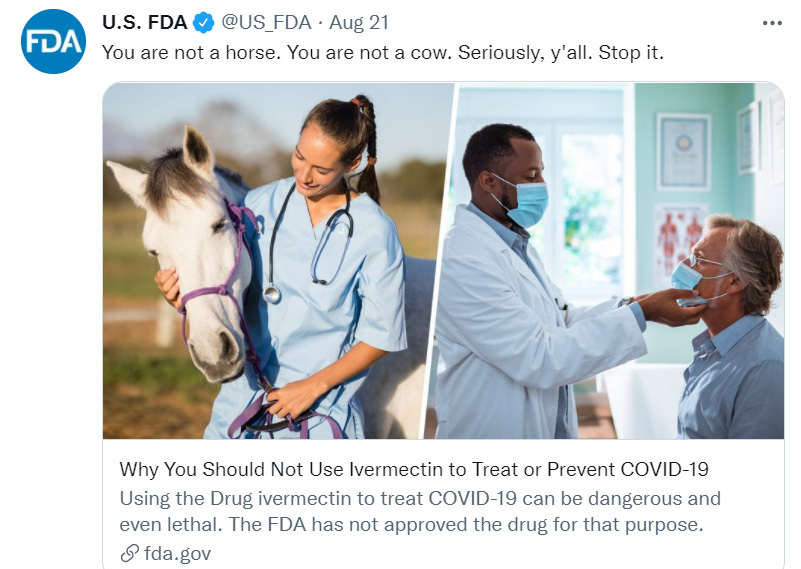
Not so fast. Bird flu is called bird flu because it affects birds. And just as the FDA told us that we are not horses (despite having to take this tweet and webpage down after a court order), we are not birds either. So except in rare and odd circumstances (or some psychopathic scientist decides to make it adapt to humans) bird flu is zero risk to the human population. And once that chook has gone through the fryers at KFC any trace of the chookie sniffles will be long gone anyway.
So what event was so catastrophic that half a million chickens had to be culled (that is, killed, not to be eaten but to be disposed of without ever touching the food chain)?
Apparently an outbreak in three farms of H7N3 bird flu1, with another farm 100km away affected by a different H7 strain – H7N9. And according to WAHIS (the animal outbreak monitoring agency) these are the only outbreaks this year in Australia – and they have appeared almost as far South as you can possibly get.
Near a place called Geelong (in the same state as Melbourne).
There’s lots more. Read it here