
Winston Marshall, the former banjoist for the band Mumford and Sons, has called out his native Great Britain for creating a two-tier justice system that holds conservatives, populists, and other anti-establishment thinkers to a different standard than the rest of the population — one of the many unfortunate consequences of the country’s far-left swerve in recent years.
In a recent interview, Marshall sat down with PragerU CEO Marissa Streit and held forth on a number of issues, including his run-in with left-wing cancel culture that ultimately resulted in his departure from Mumford and Sons. He also spoke about the rise of antisemitism in Europe.
During the conversation, Marshall addressed the many cases of British citizens facing prison sentences over social media posts that the government has deemed racist, while crimes committed by migrants and other favored groups receive relatively light sentences, or none at all.Swarms of Third World illegal migrant men on their way to Britain line up in France to receive free handouts from leftist NGOs. There is no other word for this but invasion. pic.twitter.com/epKsznQ6go
— Britain First (@BFirstParty) January 17, 2025
Unfortunately, those who fall in the culturally British category — especially white Christian males — are being subjected to unfair treatment under the law, he argued.
Marshall also discussed his departure from Mumford and Sons more than three years ago as a result of the leftist cancel culture mob that targeted him after he endorsed a book by journalist Andy Ngo exposing the inner workings of the violent left-wing group Antifa.
Winston Marshall of Mumford Sons tells PragerU CEO Marissa Streit how he Broke Free from the Industry. (Real Talk, PragerU)
He added: “It takes time. I worked extremely hard… I feel very blessed, I’ve got a wonderful girlfriend who I wouldn’t have met if not for all of this and the Lord works in mysterious ways.”
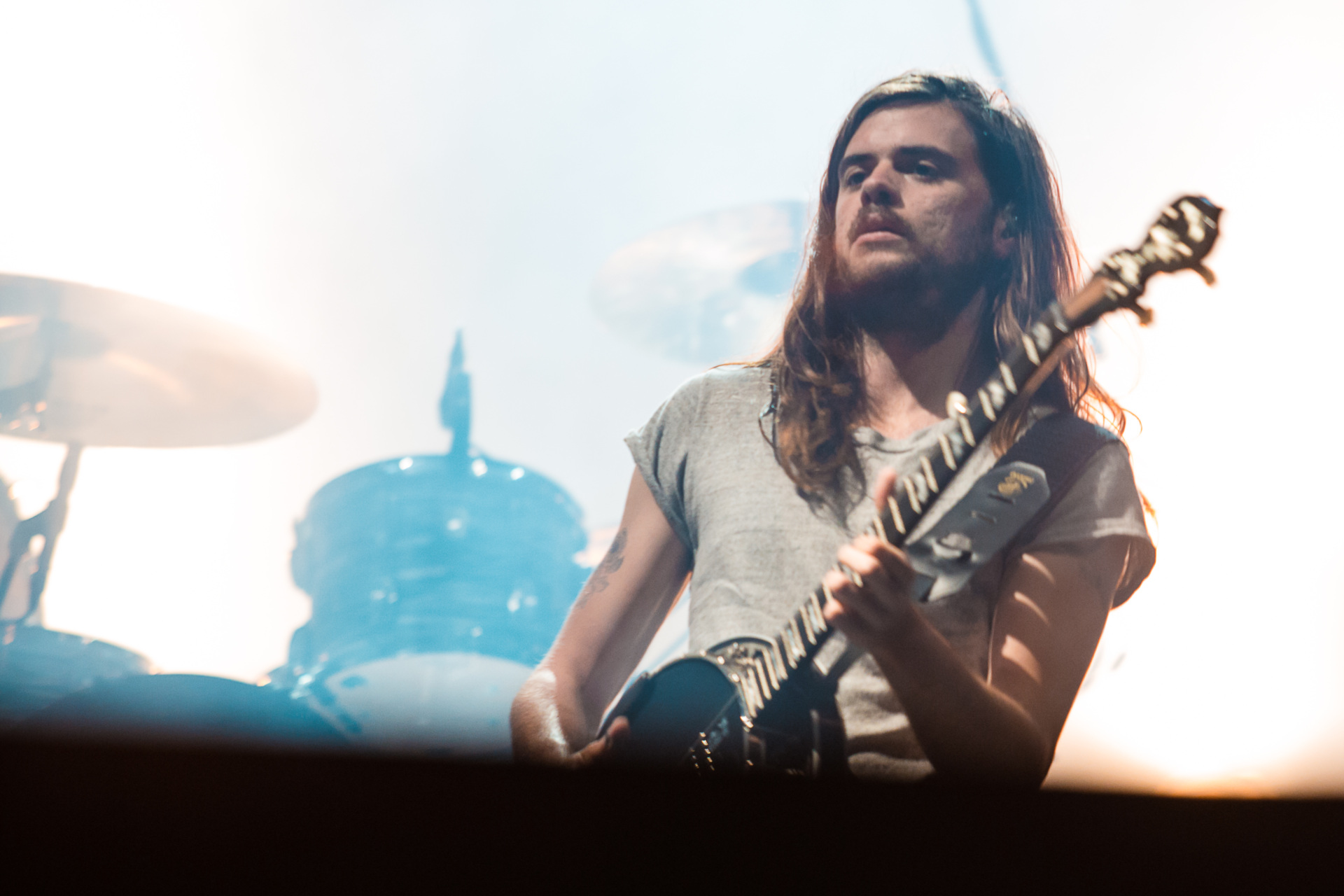
Winston Marshall of Mumford and Sons performs live on stage during day one of 2016 Lollapalooza Brazil at Autodromo de Interlagos on March 12, 2016 in Sao Paulo, Brazil. (Mauricio Santana/WireImage)