
An Iranian official has told Al Jazeera Arabic that no ship can sail through the Strait of Hormuz without an agreement with Iran and a thorough review of its documents.
“No ship carrying cargo for a hostile country has crossed the Strait of Hormuz so far, and none will cross it in the future,” the official added.
- Iranian state media says a US-Israeli attack has targeted a petrochemical plant in Tabriz, while Speaker Mohammad Bagher Ghalibaf says the United States is plotting a ground attack despite publicly engaging in diplomatic efforts aimed at ending the war.
- UNIFIL says a peacekeeper has been killed in an attack on a southern Lebanon position.
Correction:
NO, Speaker Ghalibaf has not been eliminated, at least not yet.
That doesn’t mean he’s got an extra lease on life.
The US or the IDF may take him out at any time of their choosing.
Iran’s Ghalibaf warns country’s enemies will regret aggression against Iran
Iranian Parliament Speaker Mohammad Bagher Ghalibaf warns that the nation’s enemies are presenting their “desires” as news while simultaneously issuing threats against the country.
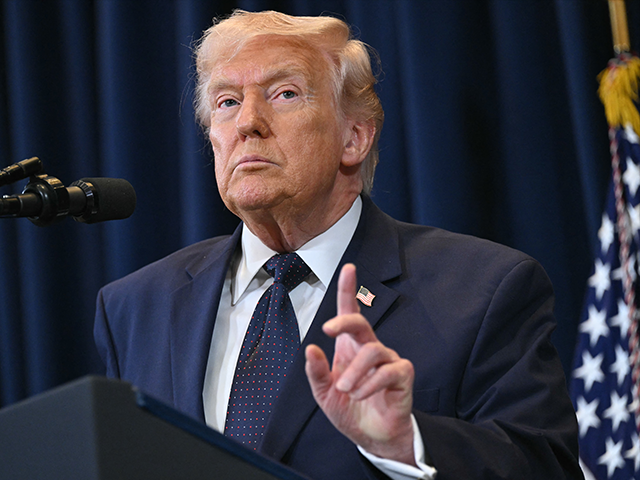
Pentagon chief Pete Hegseth has declared that the United States is “winning” in the fight against Iran, but he declined to provide a timeline as to when the war would end, stressing that decision lies with President Donald Trump.
“We will not relent until the enemy is totally and decisively defeated,” Hegseth said.
“We do so on our timeline and at our choosing. For example, today will be yet again, our most intense day of strikes inside Iran – the most fighters, the most bombers, the most strikes.”
Pentagon readies ‘for weeks of US ground operations’ in Iran
The plans, which fall short of a full invasion, could involve raids by special operations and conventional infantry troops, The Washington Post reported.

The Pentagon is preparing for weeks of limited ground operations in Iran, potentially including raids on Kharg Island and coastal sites near the Strait of Hormuz, according to United States officials quoted by The Washington Post newspaper.
The plans, which fall short of a full invasion, could involve raids by special operations and conventional infantry troops, the Post reported on Saturday, exposing US personnel to Iranian drones and missiles, ground fire, and improvised explosives.
Whether President Donald Trump would approve any of those plans remains uncertain, according to the report.
“It’s the job of the Pentagon to make preparations in order to give the Commander in Chief maximum optionality. It does not mean the president has made a decision,” White House press secretary Karoline Leavitt said in a statement, responding to questions over the Post report.

Iran’s Araghchi tells Saudi Arabia: ‘Time to eject US forces’
Iranian Foreign Minister Abbas Araghchi says his country respects Saudi Arabia and considers it a brotherly nation, emphasising that regional operations are directed solely at “enemy aggressors”.
The Arabs don’t trust the Shia rafida, for good reason.
They prefer the Americans, as we can see.
Iran threatens retaliatory attacks on US-Israeli universities in the region
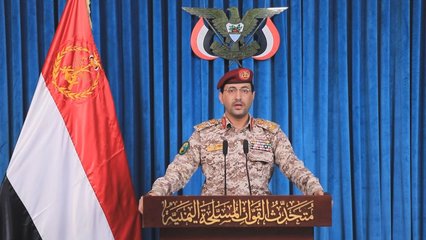
Yemen’s Houthis launch second missile, drone assault on Israel as war with Iran intensifies

Dozens detained in Tel Aviv as anti-war protest turns violent
The Trump administration has deployed US Marines to the Middle East as the war in Iran stretches into its fifth week, and has also been planning to send thousands of soldiers from the army’s 82nd Airborne to the region.
On Saturday, the US Central Command (CENTCOM) said about 3,500 additional soldiers arrived in the Middle East on board the USS Tripoli.
The sailors and marines are with the 31st Marine Expeditionary Unit and arrived in the region on March 27, along with “transport and strike fighter aircraft, as well as amphibious assault and tactical assets”, according to CENTCOM.
Officials speaking to The Washington Post said discussions within the administration over the past month have touched upon the possible seizure of Kharg Island, a key Iranian oil export hub in the Gulf, and raids into other coastal areas near the Strait of Hormuz to find and destroy weapons that can target commercial and military shipping.
Iranian threats
The Iranian parliament speaker, Mohammad Bagher Ghalibaf, said on Sunday the “enemy openly sends messages of negotiation and dialogue and secretly plans a ground attack”.
“Unaware that our men are waiting for the arrival of American soldiers on the ground to set fire to them and punish their regional partners forever. Our firing continues. Our missiles are in place,” the Tasnim news agency reported, quoting Ghalibaf.
“Our determination and faith have increased. We are aware of the enemy’s weaknesses, and we clearly see the effects of fear and terror in the enemy’s army.”
It was not clear whether Ghalibaf was responding to the Post report.
On Wednesday, Ghalibaf had warned that intelligence reports suggested that “Iran’s enemies” were planning to occupy an Iranian island with support from an unnamed country in the region.
He said any such attempt would be met with targeted attacks on the “vital infrastructure” of the regional country – which he did not name – that assists in the operation.
Tasnim quoted an unnamed military source as saying on Wednesday that Iran could open a new front at the mouth of the Red Sea if military action takes place on “Iranian islands or anywhere else in our lands”.
The source told Tasnim that Iran can pose a “credible threat” in the Bab al-Mandeb Strait, which lies between Yemen and Djibouti.
The Iranian military has also attacked oil facilities in Gulf countries and largely succeeded in closing the Strait of Hormuz, a major shipping lane for the energy trade, sending fuel prices soaring.