Winning!
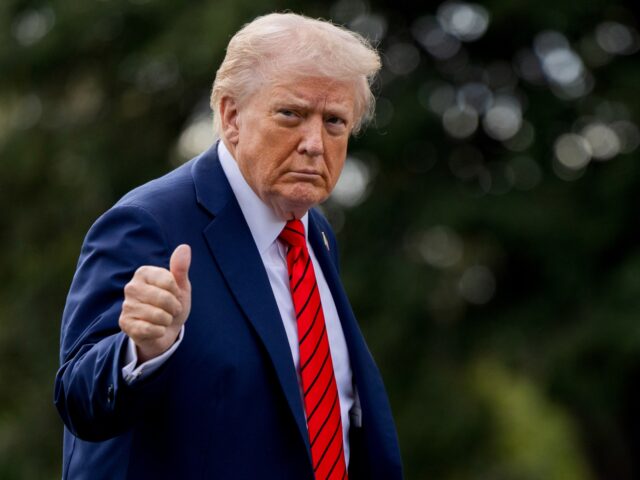
President Donald Trump confirmed Friday that Iran has fully opened the contested waters of the Strait of Hormuz to all commercial shipping traffic.
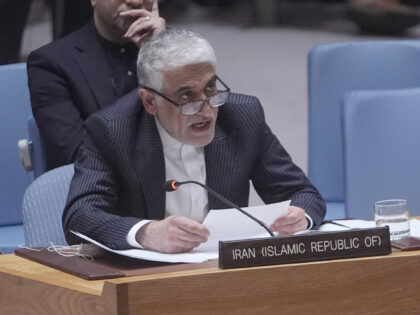
Iran: Strait of Hormuz open ‘for remaining period of ceasefire’
- Iran’s Foreign Minister says “in line with the ceasefire in Lebanon, the passage for all commercial vessels through Strait of Hormuz is declared completely open for the remaining period of ceasefire”.
- United States President Donald Trump says naval blockade on Iran to stay in place until peace deal signed.

First loaded Iranian oil tankers leave Gulf since US blockade:
Three Iranian oil tankers have become the first loaded vessels to leave the Gulf through the Strait of Hormuz since the US blockade came into force, according to maritime tracking firm Kpler.


In an era where people expect decisive and rapid victories, we must understand that while things may change on the surface, they do so at their own pace.

As far as Israel is concerned, we can already identify significant achievements after more than 40 days of war:
1. Hormuz leverage: Iran has burned its strongest strategic card for the next 50 years and lost its effective ability to threaten global trade routes.
2. Bypass pipelines: Activation of the Saudi oil pipeline and development of the port of Fujairah in the UAE as export routes no longer dependent on Tehran’s whims.
3. Energy infrastructure: A fatal blow to dependence on Gulf gas through the rapid approval of 11 gas plants in Texas and LNG facilities in the Gulf of Mexico — along with Trump’s call for the world to buy American oil and gas.
4. Nuclear renaissance: A major return by Europe and Asia (Japan and South Korea) to nuclear energy as a stable, strategic alternative to Iranian oil.
5. Hezbollah’s veto eroded: A shift toward direct engagement with the Lebanese government and army, bypassing Hezbollah as the sole power broker on the ground.
6. Isolation of the Muslim Brotherhood: A partial collapse of Qatar’s and Turkey’s influence in European capitals and in Washington.
7. Qatar’s bluff exposed: Qatar’s vulnerability revealed, as it was forced to pay off Iran to protect its gas facilities (Ras Laffan).
8. India–UAE axis: Strengthening of a strategic alliance shifting the economic center of gravity from Tehran to the New Delhi–Abu Dhabi–Haifa corridor.
9. Pressure on Pakistan: Pakistan has been pushed into a corner, facing demands to repay billions in debt from Saudi Arabia and the UAE following its support for Iran.
10. Pentagon alignment: An unprecedented level of cooperation between the IDF and the U.S. defense establishment, forming a long-term strategic asset.
11. Regional energy independence: Use of Israeli gas fields (Leviathan and Karish) as leverage to stabilize the regimes in Egypt and Jordan under Iranian pressure.
12. Technological deterrence: Demonstration of Israeli intelligence superiority in penetrating and conducting precision operations in Iran’s most secure locations.
13. Improved strategic landscape: A new security reality in which Iran, Hamas, and Hezbollah are significantly weaker than they were on the eve of the war.
( Eliyahu Ben Asher)

Hormuz leverage: Iran has burned its strongest strategic card for the next 50 years and lost its effective ability to threaten global trade routes.