
Israel must end the dangerous illusion of deterrence on the northern border – editorial
While Israelis were told that deterrence had been restored after airstrikes on Hezbollah and that Hezbollah understood the price of escalation, the reality in the North tells a different story.

Since the ceasefire between the US, Israel, and Iran was announced on April 8, 11 Israeli soldiers have been killed in Lebanon. Eleven. That number alone should be enough to force a national reckoning about what exactly Israel believes is happening on its northern border.
Netanyahu vows to ‘wipe out’ Hezbollah as Israeli strikes intensify in southern Lebanon
Netanyahu has said that Israel will ramp up attacks against Hezbollah, despite the recent “ceasefire” extension agreed to between Lebanese and Israeli officials.
“We will wipe them out completely,” he said in a statement.
Al Jazeera’s correspondent in southern Lebanon, Obaida Hitto, said that, at this point, the ceasefire is just “ink on paper”.
Proposed deal will include Iran committing to never having nukes and surrendering its uranium


Israel has created a list of all Palestinians who took part in the October 7, 2023, Hamas-led attacks and is working to kill or arrest each one
 https://on.wsj.com/42RFRlE
Israel has created a list of all Palestinians who took part in the October 7, 2023, Hamas-led attacks and is working to kill or arrest each one, The Wall Street Journal reported Wednesday, citing current and former Israeli officials with knowledge of the matter.
According to the report, the list includes all Gazans who were identified as having crossed the border on October 7, as well as all Hamas leaders involved in orchestrating the massacre, during which some 1,200 people were killed and 251 taken hostage, mostly civilians, in the deadliest massacre of Jews since the Holocaust.
Israeli intelligence agents tasked with compiling the list of names did so by studying the plethora of video and photographic evidence of the attack posted online by terrorists on and after October 7 and running the footage through facial recognition software, the report said, as well as the contents of intercepted phone calls from people who breached the border into Israel that day.
Israeli officials told the US newspaper that intelligence officials add people to the list once there are at least two pieces of evidence placing them at the scene of any of the atrocities that took place on October 7.
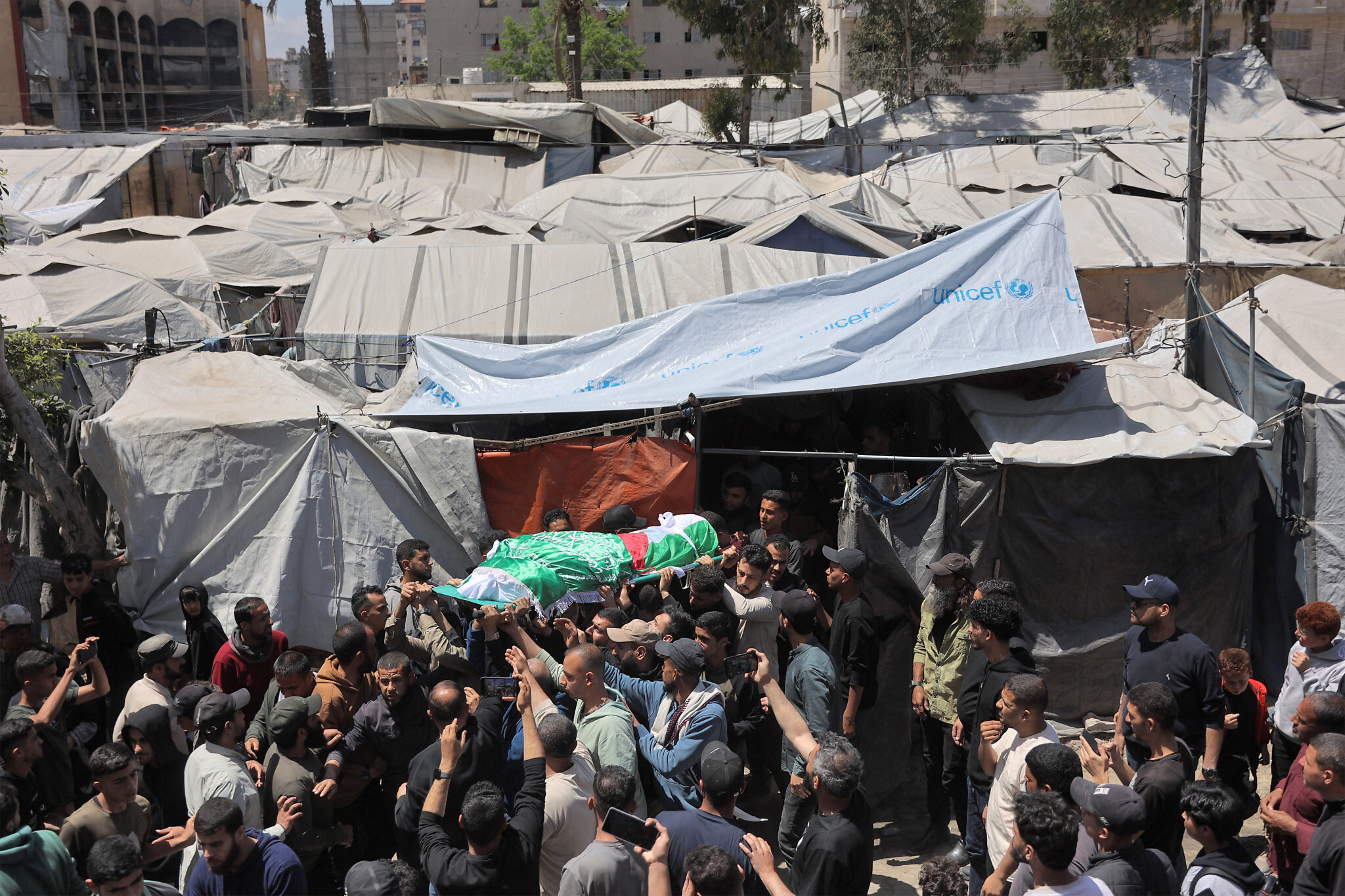
The campaign has continued despite the ceasefire that has been in place in Gaza since October, the report said, pointing to the killing of Hamas Gaza chief Izz al-Din al-Haddad in an Israeli airstrike last week.
The campaign began immediately after the attacks, and “hundreds” have since been crossed off the list, the report added, saying that “no participant is deemed too insignificant” for Israel’s attention, including people who were not affiliated with terror groups and joined the invasion of southern Israel on their own accord.
In one case presented in the report, Israel identified a Gazan man who was filmed driving a tractor through the border fence during the initial onslaught, striking and killing him nearly two years later. The report did not identify the man or specify if he directly participated in violence on October 7.
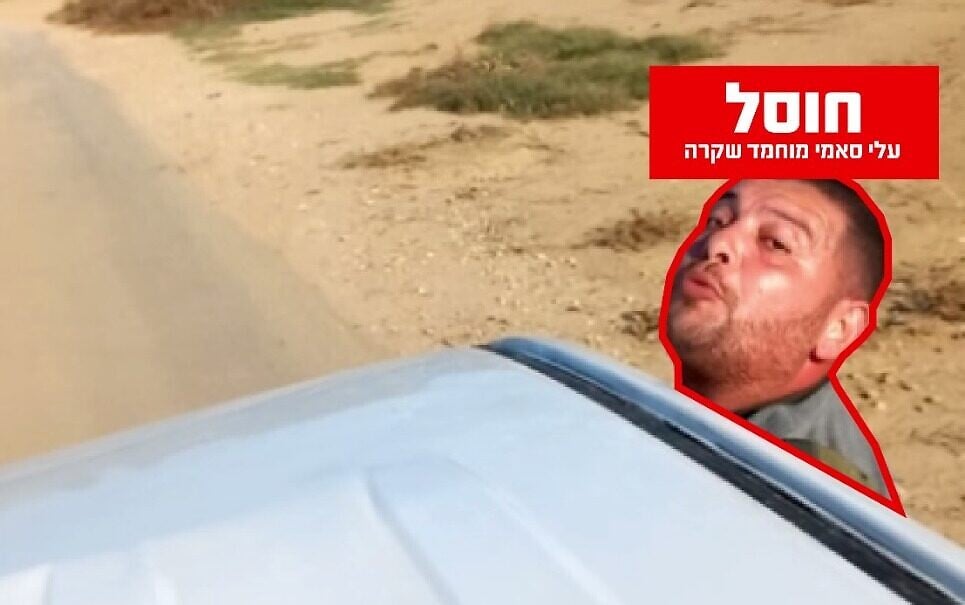
In other instances, it was high-level Hamas and Islamic Jihad military wing operatives that Israel targeted years after they participated in the 2023 onslaught, including Ali Sami Muhammad Shakra, a platoon commander in Hamas’s elite Nukhba Force who took part in kidnapping hostages Hersh Goldberg-Polin, Alon Ohel, Eliya Cohen and Or Levy from a roadside bomb shelter near Re’im.
After Shakra was killed last month alongside several other Hamas operatives, the IDF posted images showing him sticking his head out of a car window while driving into Israel during the attack, with the caption: “Eliminated.”
Another example cited in the report was the April killing of Abd al-Rahman Ammar Hassan Khudari, a Palestinian Islamic Jihad terrorist who took part in the invasion and massacre of Kibbutz Nir Oz during the October 7 onslaught.
While international law allows for the killing of those who participate in attacks, it stipulates that there must be an imminent threat in order to justify killing them long after the initial attack. Otherwise, their targeting would be an extrajudicial execution, taking revenge for actions taken months or years prior.
Thus, the IDF has insisted that each operative it kills in Gaza, including ones that took part in the October 7 attacks, posed an “imminent threat to troops” stationed nearby, were planning attacks on troops or on Israel itself, or crossed the “Yellow Line,” which demarcates the current lines of IDF control within Gaza.
Rachel VanLandingham, a former judge advocate in the US Air Force and expert on military law, told the WSJ that while Israel’s campaign “feels retributive,” there is “nothing inherently wrong with prioritizing people on a target list as long as they’re belligerents.”
Israeli officials have invoked Munich as an example of precedent for the retribution campaign against the October 7 terrorists, pointing to the years-long Mossad-led effort to track down and eliminate the leaders of the massacre of Israeli athletes during the 1972 Olympic Games in Germany.