
Supertanker Explodes After Hitting Mine, IRGC Says, & Asserts ‘Strait Of Hormuz Is Closed’

Comes within hours of Trump reasserting Tehran is desperate for a deal…
- IRGC says supertanker exploded after hitting mine in Hormuz, says strait remains closed.
- ‘Deal’ headlines return: US seeks “Step-by-Step” agreement with Iran, reports state media.
- Houthis seized more Red Sea territory, including Perim Island near the Bab al-Mandab Strait.
- Iran-Gulf diplomacy was postponed, delaying efforts to address the Strait of Hormuz crisis in what was to be a rare GCC-Iran meeting.
- Saudi oil exports face ongoing disruption after a pipeline shutdown, pushing oil prices above $100/barrel.
More below the fold.

Fighting rages in Yemen as Saudi-backed forces strike advancing Houthis
- Yemen’s Houthis say they launched a large-scale ballistic missile and drone attack on Saudi Arabia’s King Khalid Air Base in Khamis Mushait and claimed “direct hits”. There was no immediate response from Riyadh.
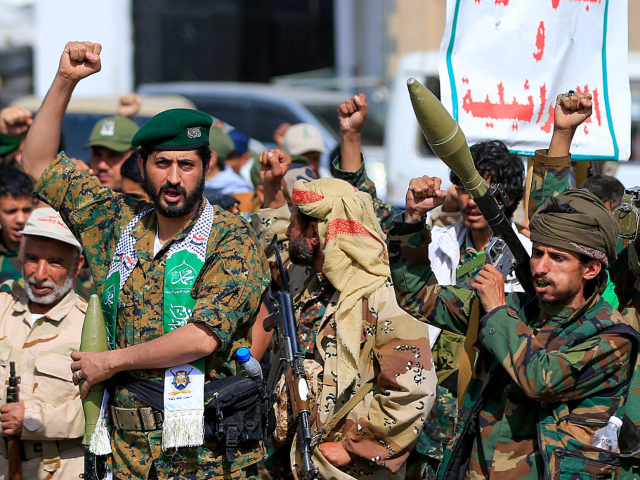
- The Iran-backed rebels say they captured more strategic islands in the southern Red Sea, strengthening their control of a crucial Bab al-Mandeb shipping route.
- Iran says a planned meeting with Gulf states regarding control over the Strait of Hormuz has been postponed by Saudi Arabia over the recent events in Yemen.
- Ground fighting intensifies on several fronts in Yemen as Saudi-backed government forces carry out air strikes on Houthi positions in an attempt to retake Mocha, days after the Houthis captured the strategic port city.
Here’s a look at the latest developments:
-
- The Houthis have seized the Greater and Lesser Hanish islands in the southern Red Sea, tightening their grip on the Bab al-Mandeb shipping route.
- Iran’s nuclear chief has been blocked from attending the IAEA’s annual conference in Vienna after US opposition.
- The WHO reports nearly 3,000 casualties in Yemen following days of fighting.
- Israeli forces shelled southern Lebanon despite a June ceasefire framework, striking Nabatieh al-Fawqa and firing on Beit Yahoun.
- The IOM says more than 93,000 people have been newly displaced in Yemen by the ongoing conflict.

Dozens of Saudi air strikes pound Houthi positions in Yemen
- Houthis say dozens of air attacks were launched by Saudi Arabia as the prime minister of Yemen’s internationally recognized government accuses the militia of killing and displacing civilians during its rapid advance.
- Oil prices continue to rise as concerns over supply disruptions persist after attacks on Saudi energy infrastructure left its East-West pipeline offline and cast doubt on efforts to ease shipping risks in the Gulf.
- President Donald Trump once again says Iran “wants to make a deal” to end the war but adds he will “determine whether or not” the United States chooses to engage.
- Iran’s security chief says the reality surrounding global energy shipments and the Strait of Hormuz has changed and there will be no talks with Washington until Tehran’s demands – as outlined in the Islamabad memorandum of understanding – are met.
Continue reading Iran Asserts ‘Strait Of Hormuz Is Closed’, Supertanker Hit by Mine


![Yemen's Houthi rebels march during a mobilization campaign in Sanaa, Yemen, Thursday, September 10, 2026. [AP Photo]](https://www.aljazeera.com/wp-content/uploads/2026/09/AP26253314185952-1789073292.jpg?resize=770%2C513&quality=80)


![Houthi soldiers patrol the capital Sanaa [Yahya Arhab/EPA]](https://www.aljazeera.com/wp-content/uploads/2026/09/14286969-1789302062.jpg?resize=770%2C513&quality=80)


