Remember, these are the same clowns who told us nukes were unislamic & that there’s a fartwa against them….
Congress on Thursday passed legislation that would restore funding to key parts of the Department of Homeland Security (DHS) except for Immigration and Customs Enforcement (ICE) and Border Patrol, which ends a record 76-day shutdown of the department.
Trump Calls on Senate Republicans to Lift the Filibuster
The Senate is more concerned about preserving the filibuster than they are about preserving the Constitution. The filibuster is not in the Constitution.
‘Do Not Be Stupid’
‘Dems Will Do It on the First Hour of Their First Day’ 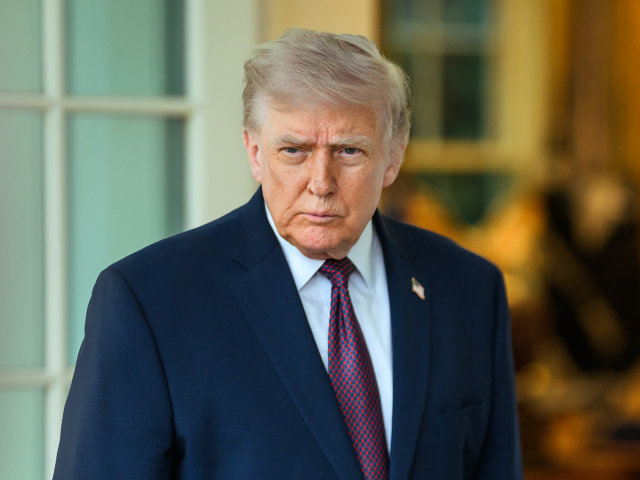
President Donald Trump called on Senate Republicans to lift the filibuster on Thursday so they can pass the Save America Act, which would require proof of citizenship to register to vote.
JPMorgan Explains Why Hormuz Strait Will Reopen By September… One Way Or Another
Trump Says Gas Prices Will Drop “Like a Rock” Once Conflict Ends
- US President Donald Trump says “we might need” to restart war with Iran, adds that “nobody knows what the talks are except myself and a couple of other people”.

Iran says US siege of ports ‘intolerable’
-
Not giving up nuclear program: Iran will “guard” its “advanced technologies” like it does its own borders, Mojtaba Khamenei said in a written speech read aloud by state TV. It will “secure the Persian Gulf region and dismantle the hostile enemy’s exploitation of this waterway.”
-
Iran reportedly utilising ceasefire to retrieve buried weapons
US media reports that Iran is utilising the ceasefire with the US to retrieve weapons previously hidden or buried under the rubble of strikes.