After the fall of the Soviet Union, when the extent of its genocidal barbarity was made public, the uncritical support the regime had received from many of the most prominent leftist movements and intellectual buffoons suffered a serious setback. Nevertheless, Western comrades were not deterred and were soon engaged in quite a bit of self-reflection, reaching the conclusion that there were reasons why the Soviet “model” had failed. The consensus they arrived at was that it wasn’t Marxism (the doctrine) that was at fault, but those who interpreted it; the doctrine itself was beyond criticism.
 It was then they embraced the idea of Leon Trotsky’s theory of internationalisation, in other words, of developing the framework for totalitarianism simultaneously in all Western countries, not from outside the institutions, but inside through what Trotsky called “permanent revolution”. Trotsky’s theory held that, historically, a socioeconomic system had to be seen as a world system rather than a national one. All national economic development was affected by the laws of the world market, even though such regional factors as location, population, available resources and pressure from surrounding countries made the rate of development different in each country. Thus, in Trotsky’s view, the permanentlsuccess of the Russian Revolution would have to depend on revolutions in other countries, particularly in Western Europe.
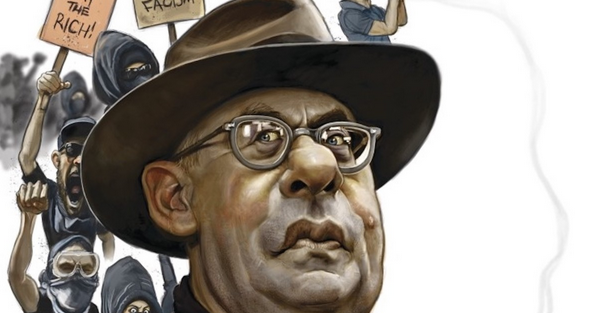
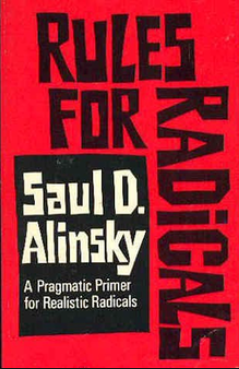
A brilliant strategy, yes, but one nevertheless with a very sketchy game-plan. In 1971, the hard-line totalitarian Marxist Saul Alinsky connected the dots when he wrote a book of subversive tactics based on the arts of infiltration, deception and lying, to empower future generations of activists to work together, no matter what political parties they belonged to, or what country they were in.
Alinsky’s book, Rules for Radicals, proved to be so popular that Hillary Rodham (later Clinton) wrote her graduate thesis on Alinsky and his work (she titled it “There is Only the Fight”) and later became friends with him. Apologists have attempted to water down the book’s content, saying that it is basically a harmless little “how to” book for social workers. But anyone who reads it will discover it is not—that, in fact, it advocates violent revolution when the time is opportune, by any means necessary, which may mean going against one’s conscience for the greater good. Continue reading Saul Alinsky and the Politics of Hell